
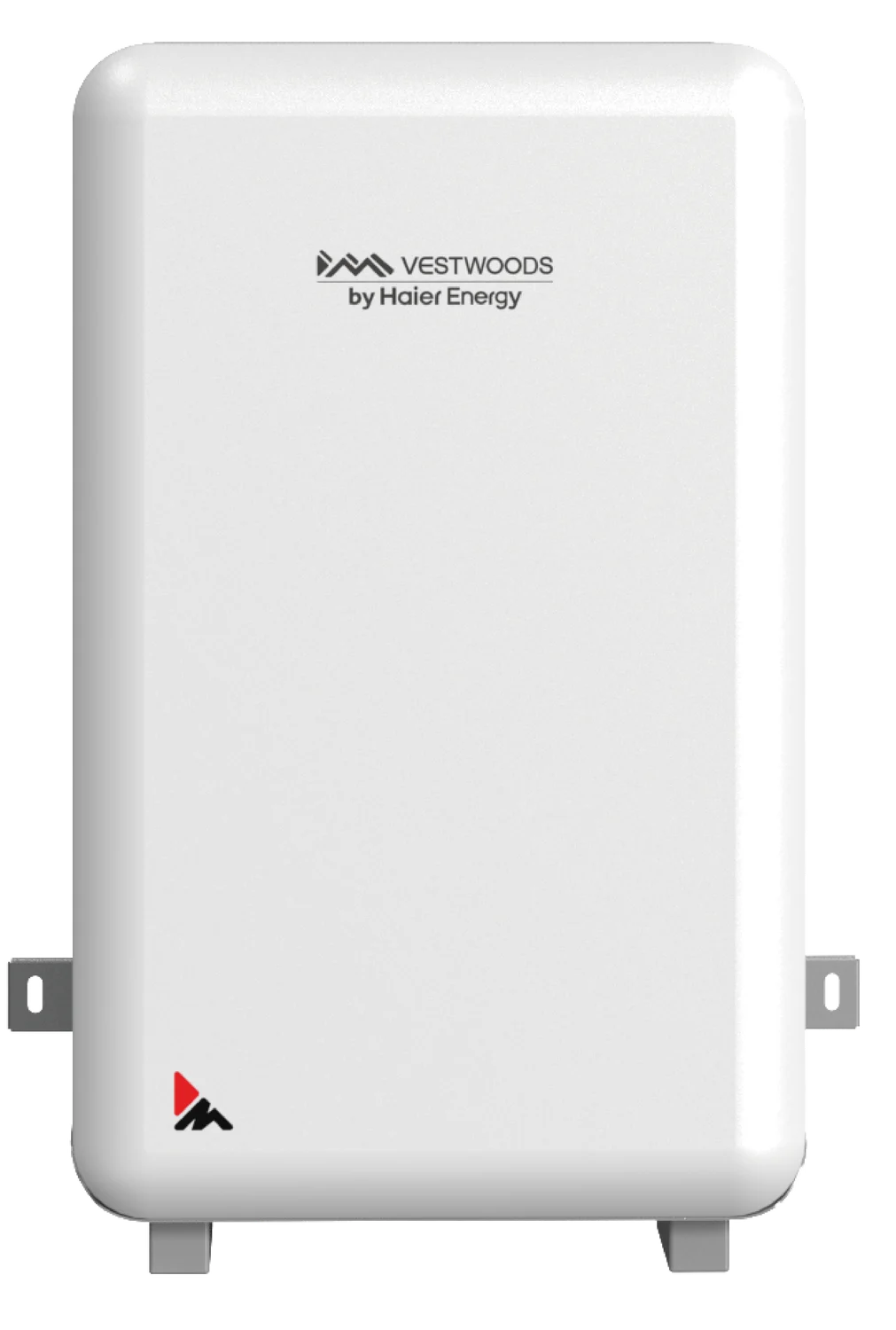
Home battery capacity should be planned around the loads a household wants to support and the way the system will operate—not around a single headline number.
List essential and flexible loads
Separate the loads that must remain available during an outage from those that can be shifted or managed. This provides a clearer starting point for backup planning.
- Essential loads during an outage
- Daily energy-consuming appliances
Review solar and daily consumption patterns
Solar generation timing and household demand affect how much stored energy can be charged and used. A sizing conversation should look at daily patterns rather than one isolated bill.
- Typical daytime solar output
- Evening and overnight demand
Leave room for change
If the household expects electrification, changing occupancy or future PV expansion, modular capacity planning can provide a more flexible path.
- Future load additions
- Expansion compatibility and installation space