
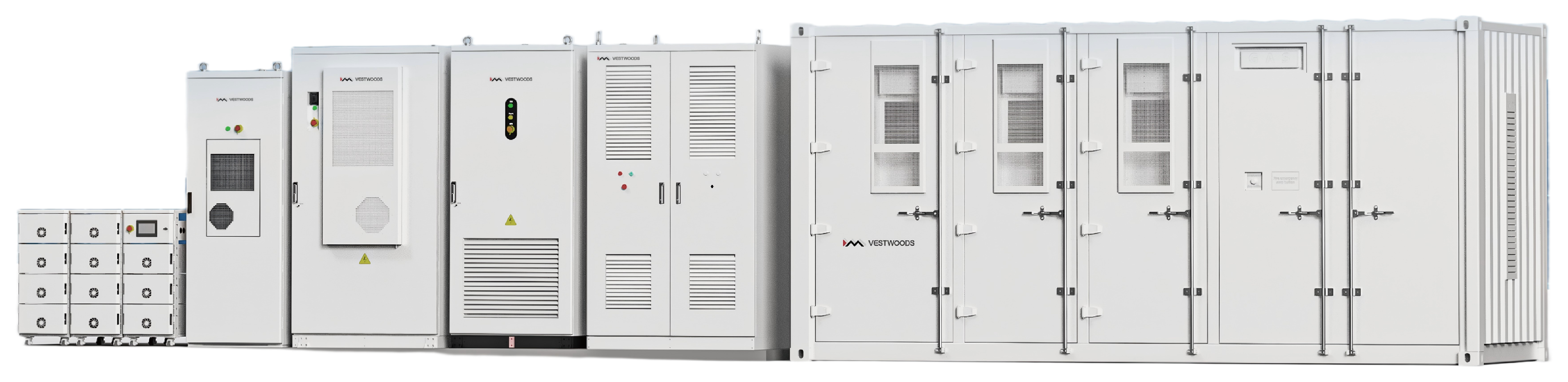
Commercial and industrial energy storage is most valuable when it is matched to a site’s load profile, tariff structure, operational risk and renewable-energy plan.
Start with the load profile
Interval data helps a project team identify demand peaks, operational constraints and the periods where battery charging or discharge may be relevant.
- Review peak-demand periods and tariff windows.
- Identify critical loads that need backup support.
Match the system to the operating objective
Peak shaving, time-of-use optimisation, PV self-consumption and backup power are different operating objectives. A viable configuration should identify which objective has priority before capacity and power are selected.
- Define the required power response.
- Separate usable energy requirements from nominal capacity.
Build a decision-ready project brief
A site brief should document grid connection conditions, available installation space, safety requirements and the operational strategy expected from the EMS.
- Load and tariff data
- PV generation profile where applicable
- Critical-load and backup requirements